
On-Page SEO vs Off-Page SEO: Complete Guide
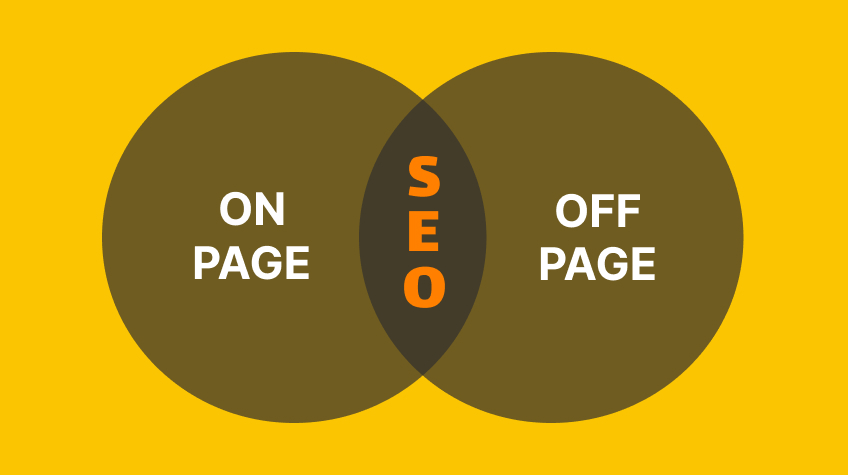
Search Engine Optimization (SEO) is one of the most important digital marketing strategies for improving a website’s visibility on search engines like Google. SEO helps businesses attract organic traffic, improve website ranking, and increase online visibility. Two major components of SEO are On-Page SEO and Off-Page SEO. Understanding the difference between these two techniques is essential for building a successful SEO strategy.
In this guide, we will explain what On-Page SEO and Off-Page SEO are, their differences, and how they work together to improve your website’s performance.
What is On-Page SEO?
On-Page SEO refers to all the optimization techniques that are applied directly on a website to improve its ranking in search engines. It focuses on optimizing the content, structure, and HTML elements of a webpage so that search engines can understand it easily.
On-Page SEO helps search engines determine what your page is about and whether it provides valuable information to users.
Key Elements of On-Page SEO
1. Keyword Optimization
Using relevant keywords in your content helps search engines understand your topic. Keywords should be placed in titles, headings, and throughout the content naturally.
2. Title Tags and Meta Descriptions
Title tags and meta descriptions help search engines and users understand what your page contains. A well-written title can also increase click-through rates.
3. High-Quality Content
Content is one of the most important factors in On-Page SEO. Search engines prefer informative, engaging, and valuable content that answers user queries.
4. URL Structure
Short and clear URLs are better for both users and search engines. A good URL should include your main keyword and be easy to read.
5. Internal Linking
Linking to other pages within your website helps search engines crawl your site more effectively and improves user navigation.
6. Image Optimization
Images should be optimized with proper file names and alt text so search engines can understand them.
What is Off-Page SEO?
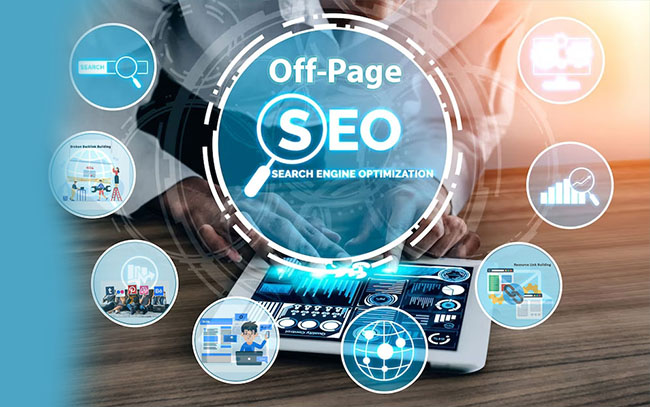
Off-Page SEO refers to the actions taken outside your website to improve its authority and ranking in search engines. The main goal of Off-Page SEO is to build your website’s credibility and reputation.
Search engines consider external signals such as backlinks and brand mentions to determine how trustworthy and popular your website is.
Key Elements of Off-Page SEO
1. Backlinks
Backlinks are links from other websites pointing to your website. They act as votes of confidence and help improve your website’s authority.
2. Social Media Marketing
Promoting your content on social media platforms helps increase visibility and drive traffic to your website.
3. Guest Blogging
Writing articles for other websites helps you build backlinks and reach a larger audience.
4. Influencer Marketing
Collaborating with influencers can help promote your brand and generate more traffic.
5. Brand Mentions
When other websites mention your brand name online, it improves credibility and trust.
6. Online Directories and Listings
Listing your business on online directories helps improve local SEO and visibility.
Why Both Are Important for SEO
On-Page SEO helps search engines understand your content, while Off-Page SEO helps build trust and authority for your website. Without proper On-Page SEO, search engines may not understand your website. Without Off-Page SEO, your website may struggle to compete with other websites in search rankings.
A successful SEO strategy combines both techniques to improve visibility, increase organic traffic, and achieve long-term growth.
Conclusion
On-Page SEO and Off-Page SEO are two essential parts of a successful SEO strategy. On-Page SEO focuses on optimizing your website’s content and structure, while Off-Page SEO focuses on building authority and credibility through external signals.
By implementing both strategies effectively, businesses can improve their search rankings, attract more visitors, and grow their online presence. For websites like Creator Anjali that provide digital marketing services, using both On-Page and Off-Page SEO techniques can help reach more potential clients and achieve better results in search engines.
Frequently Asked Questions (FAQs)
1. What is the difference between On-Page SEO and Off-Page SEO?
On-Page SEO refers to optimization done directly on your website, such as improving content, keywords, meta tags, and internal links. Off-Page SEO refers to activities outside your website, such as building backlinks, social media promotion, and brand mentions to improve website authority.
2. Which is more important: On-Page SEO or Off-Page SEO?
Both are equally important for a successful SEO strategy. On-Page SEO helps search engines understand your website content, while Off-Page SEO builds credibility and authority for your website.
3. What are some examples of On-Page SEO techniques?
Some common On-Page SEO techniques include keyword optimization, writing high-quality content, improving title tags and meta descriptions, optimizing images, creating internal links, and improving website speed.
4. What are some examples of Off-Page SEO techniques?
Off-Page SEO techniques include backlink building, guest blogging, social media marketing, influencer marketing, brand mentions, and listing your business in online directories.
5. How long does SEO take to show results?
SEO is a long-term strategy. It usually takes 3 to 6 months to start seeing noticeable improvements in search engine rankings and website traffic.