
Digital Marketing Strategies for Small Businesses
In today’s digital world, having a strong online presence is essential for small businesses. Digital marketing allows businesses to reach a larger audience, promote their products or services, and compete with bigger brands. Unlike traditional marketing, digital marketing is more cost-effective and offers measurable results.
With the right strategies, small businesses can attract new customers, build brand awareness, and grow their business online. In this blog, we will explore some of the most effective digital marketing strategies that small businesses can use.
1. Search Engine Optimization
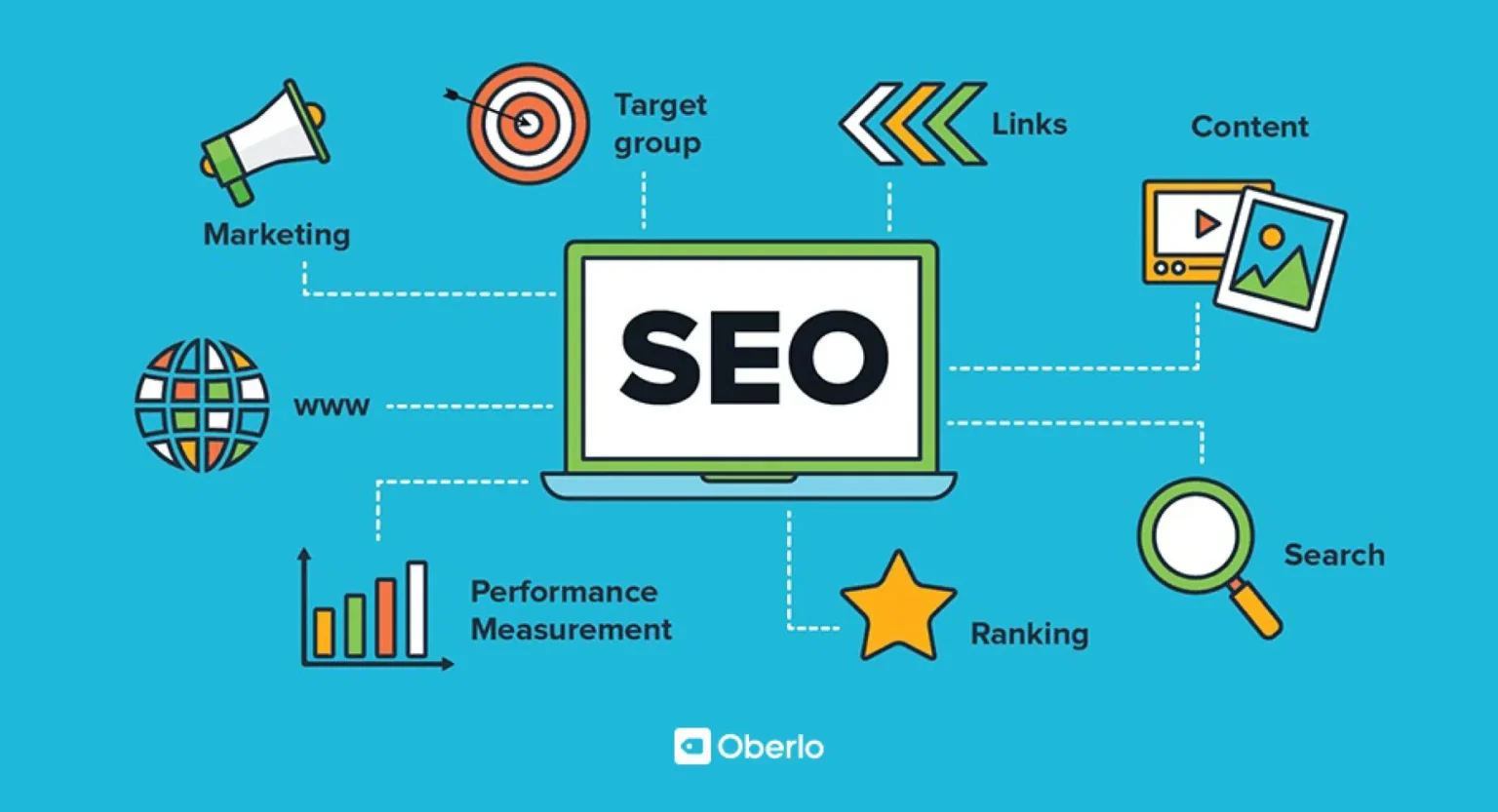
Search Engine Optimization, commonly known as SEO, is one of the most powerful digital marketing strategies. SEO helps your website appear higher in search engine results when people search for related products or services.
By using the right keywords, optimizing website content, improving website speed, and building quality backlinks, businesses can increase their visibility on search engines like Google. When your website ranks higher, it attracts more organic traffic and potential customers.
For small businesses, local SEO is also very important because it helps customers find nearby services easily.

2. Social Media Marketing
Social media platforms have become essential for business promotion. Platforms like Facebook, Instagram, and LinkedIn allow businesses to connect directly with their audience and build strong relationships.
Small businesses can share product updates, promotional offers, customer testimonials, and engaging content to attract followers. Regular posting and interaction with customers help increase brand awareness and trust.
Social media also provides advertising options that allow businesses to target specific audiences based on demographics, interests, and location.
3. Content Marketing
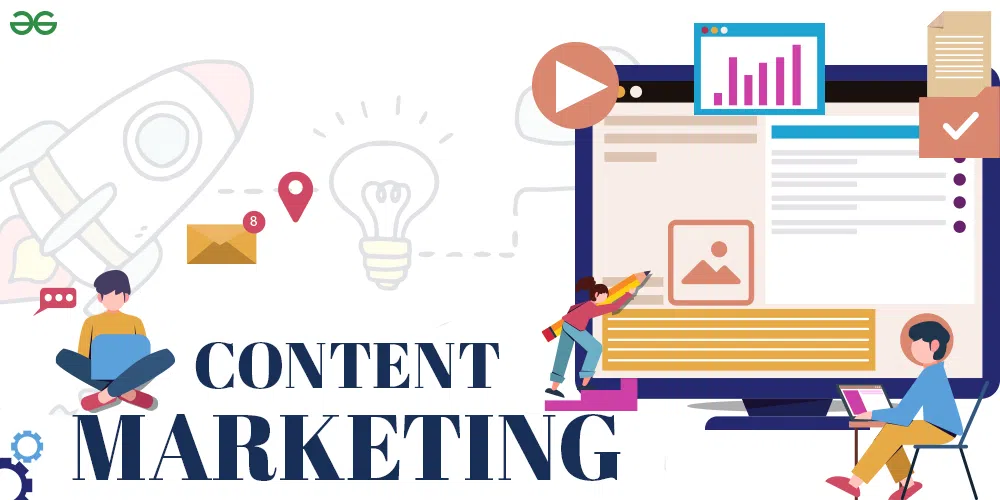
Content marketing focuses on creating valuable and informative content to attract and engage potential customers. This can include blog posts, articles, videos, infographics, and social media posts.
When businesses provide helpful information, they build trust and credibility with their audience. For example, writing blogs related to your industry can help improve your website’s SEO and bring more visitors to your site.
Quality content also encourages users to share your information, which increases brand exposure.

4. Email Marketing
Email marketing remains one of the most effective digital marketing strategies for small businesses. It allows businesses to communicate directly with customers and build long-term relationships.
Businesses can send newsletters, special offers, product updates, and useful information to subscribers. Personalized email campaigns often lead to higher engagement and better customer retention.
Email marketing is also cost-effective and helps businesses maintain consistent communication with their audience.

5. Pay-Per-Click Advertising (PPC)
Pay-Per-Click advertising is a strategy where businesses pay for ads that appear on search engines and social media platforms. One of the most popular platforms for PPC advertising is Google Ads.
With PPC campaigns, businesses can target specific keywords and display ads to users who are actively searching for related products or services. This strategy can generate immediate traffic and leads.
Small businesses can start with a limited budget and gradually increase their advertising investment as they see positive results.

6. Video Marketing
Video marketing has become extremely popular in recent years. Platforms such as YouTube and Instagram Reels allow businesses to share engaging video content with their audience.
Businesses can create product demonstrations, tutorials, customer testimonials, or educational content related to their industry. Videos are more engaging than text and help explain products or services more effectively.
Consistent video marketing can improve brand recognition and attract more customers.

7. Website Optimization
A well-designed and user-friendly website is essential for digital marketing success. Your website should be easy to navigate, mobile-friendly, and fast loading.
A professional website helps build trust with visitors and encourages them to take action, such as making a purchase or contacting your business. Including clear calls-to-action, contact forms, and informative content can improve customer engagement.
For small businesses, a well-optimized website acts as the foundation of all digital marketing efforts.
Conclusion
Digital marketing provides small businesses with powerful opportunities to grow and compete in the online marketplace. Strategies such as SEO, social media marketing, content marketing, email marketing, PPC advertising, video marketing, and website optimization can help businesses reach their target audience and increase sales.
By implementing these strategies consistently and focusing on providing value to customers, small businesses can build a strong online presence and achieve long-term success in the digital world.
Frequently Asked Questions (FAQs)
1. What is digital marketing for small businesses?
Digital marketing for small businesses refers to promoting products or services using online platforms such as search engines, social media, email, and websites. It helps businesses reach more customers and grow their online presence.
2. Why is digital marketing important for small businesses?
Digital marketing helps small businesses reach a larger audience, build brand awareness, and compete with larger companies. It is also cost-effective and allows businesses to track their marketing performance.
3. Which digital marketing strategy is best for small businesses?
Some of the most effective strategies include SEO, social media marketing, content marketing, email marketing, and paid advertising using platforms like Google Ads.
4. Which social media platforms are best for small businesses?
Popular platforms for small businesses include Facebook, Instagram, and LinkedIn because they help businesses connect with customers and promote products or services.
5. How long does digital marketing take to show results?
The time it takes to see results depends on the strategy used. Paid advertising can generate quick results, while SEO and content marketing may take several months to show significant improvements.