
6 Powerful Differences Between On-Page SEO vs Off-Page SEO
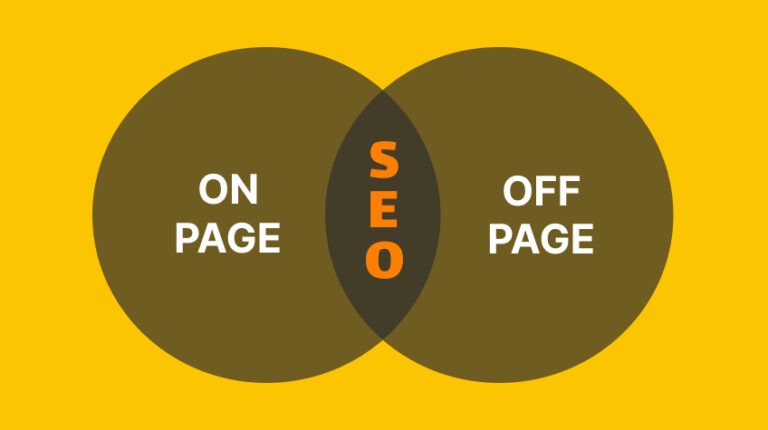
Search engine optimization plays a major role in improving a website’s visibility on Google. Whether you run a business website, blog, or online store, SEO helps attract organic traffic and improve brand credibility. However, many beginners often get confused between On-Page SEO and Off-Page SEO.
Both are important parts of a successful digital marketing strategy, but they work in different ways. Understanding their differences can help you create a better SEO plan and achieve long-term growth online.
In this guide, we will explain On-Page SEO vs Off-Page SEO, their importance, key differences, and best practices.
Mastering the balance between On-Page SEO vs Off-Page SEO is what separates high-ranking websites from the rest. While one focuses on what you control on your own site, the other builds your authority across the web. To get organic traffic, you cannot pick just one; understanding On-Page SEO vs Off-Page SEO and implementing both effectively is the ultimate key to dominating search engine rankings.
What Is On-Page SEO?
On-Page SEO refers to the optimization techniques used directly on your website to improve search engine rankings and user experience. It focuses on making your website content more relevant, organized, and user-friendly.
Everything you control on your website falls under On-Page SEO.
Important Elements of On-Page SEO
1. High-Quality Content
Content is one of the most important ranking factors. Your content should be informative, engaging, and written for users rather than only for search engines.
2. Keyword Optimization
Using relevant keywords naturally in headings, paragraphs, and meta tags helps search engines understand your content.
3. Title Tags and Meta Descriptions
Lorem ipsum dolor sit amet, consectetur adipiscing elit. Ut elit tellus, luctus nec ullamcorper mattis, pulvinar dapibus leo.
4. Internal Linking
Linking related pages on your website improves navigation and helps search engines crawl your website effectively.
5. Image Optimization
Compressed images with proper alt text improve page speed and accessibility.
6. Mobile-Friendly Design
A responsive website provides a better experience for users on smartphones and tablets.
What Is Off-Page SEO?
Off-Page SEO includes activities performed outside your website to improve authority, trust, and online reputation. It mainly focuses on building credibility through external sources.
Search engines consider Off-Page SEO as a signal that your website is valuable and trustworthy.
Important Elements of Off-Page SEO
1. Backlink Building
Backlinks from trusted websites improve domain authority and search rankings.
2. Social Media Marketing
Sharing content on social media platforms increases visibility and drives traffic.
3. Guest Posting
Writing articles for other websites helps gain backlinks and reach a larger audience.
4. Influencer Marketing
Collaborating with influencers can improve brand awareness and credibility.
5. Online Reviews
Positive customer reviews increase trust and strengthen your online reputation.
6. Brand Mentions
When other websites mention your business online, search engines consider it a positive trust signal.
On-Page SEO vs Off-Page SEO
| Feature | On-Page SEO | Off-Page SEO |
|---|---|---|
| Focus | Website optimization | Website authority |
| Control | Fully controlled by website owner | Depends on external platforms |
| Main Goal | Improve content and user experience | Increase trust and credibility |
| Techniques | Keywords, speed, content, internal links | Backlinks, guest posts, social signals |
| Results | Faster improvements | Long-term authority growth |
Why Both SEO(On-Page SEO vs Off-Page SEO) Strategies Matter
Many website owners focus only on one type of SEO, but both are equally important for better rankings.
On-Page SEO helps search engines understand your website content, while Off-Page SEO builds trust and authority. Without quality content, backlinks may not help much. Similarly, great content without backlinks may struggle to rank competitively.
Combining both strategies creates a balanced SEO approach that improves visibility, traffic, and conversions.
Best Practices for Better SEO Results
Create Helpful Content
Write content that solves user problems and answers common questions clearly.
Focus on User Experience
Ensure your website is fast, mobile-friendly, and easy to navigate.
Build Quality Backlinks
Avoid spammy links and focus on backlinks from relevant and trusted websites.
Optimize for Search Intent
Understand what users are searching for and create content that matches their intent.
Common SEO Mistakes to Avoid
- Keyword stuffing
- Buying low-quality backlinks
- Ignoring mobile optimization
- Publishing duplicate content
- Using slow-loading web pages
- Not updating old content
Avoiding these mistakes can improve your website performance and maintain long-term rankings.
Conclusion
Understanding the difference between On-Page SEO vs Off-Page SEO is essential for building a successful online presence. On-Page SEO improves your website structure, content, and user experience, while Off-Page SEO increases authority and trust through external signals.
For the best results, businesses should combine both strategies instead of focusing on only one. A balanced SEO approach can help improve rankings, increase traffic, and grow your brand online over time.
Now that you know the core differences in On-Page SEO vs Off-Page SEO, it’s time to take action.
FAQs
1. What is the main difference between On-Page SEO and Off-Page SEO?
On-Page SEO focuses on optimizing website content and structure, while Off-Page SEO focuses on improving website authority through backlinks and external activities.
2. Which is more important: On-Page SEO or Off-Page SEO?
Both are important because they work together to improve search rankings and website credibility.
3. Does social media help Off-Page SEO?
Yes, social media marketing increases content visibility, traffic, and brand awareness, which can support Off-Page SEO efforts.
4. How long does SEO take to show results?
SEO is a long-term strategy, and results usually take a few months depending on competition and optimization quality.
5. Can I do SEO without backlinks?
You can improve rankings with strong On-Page SEO, but backlinks are important for building authority in competitive industries.